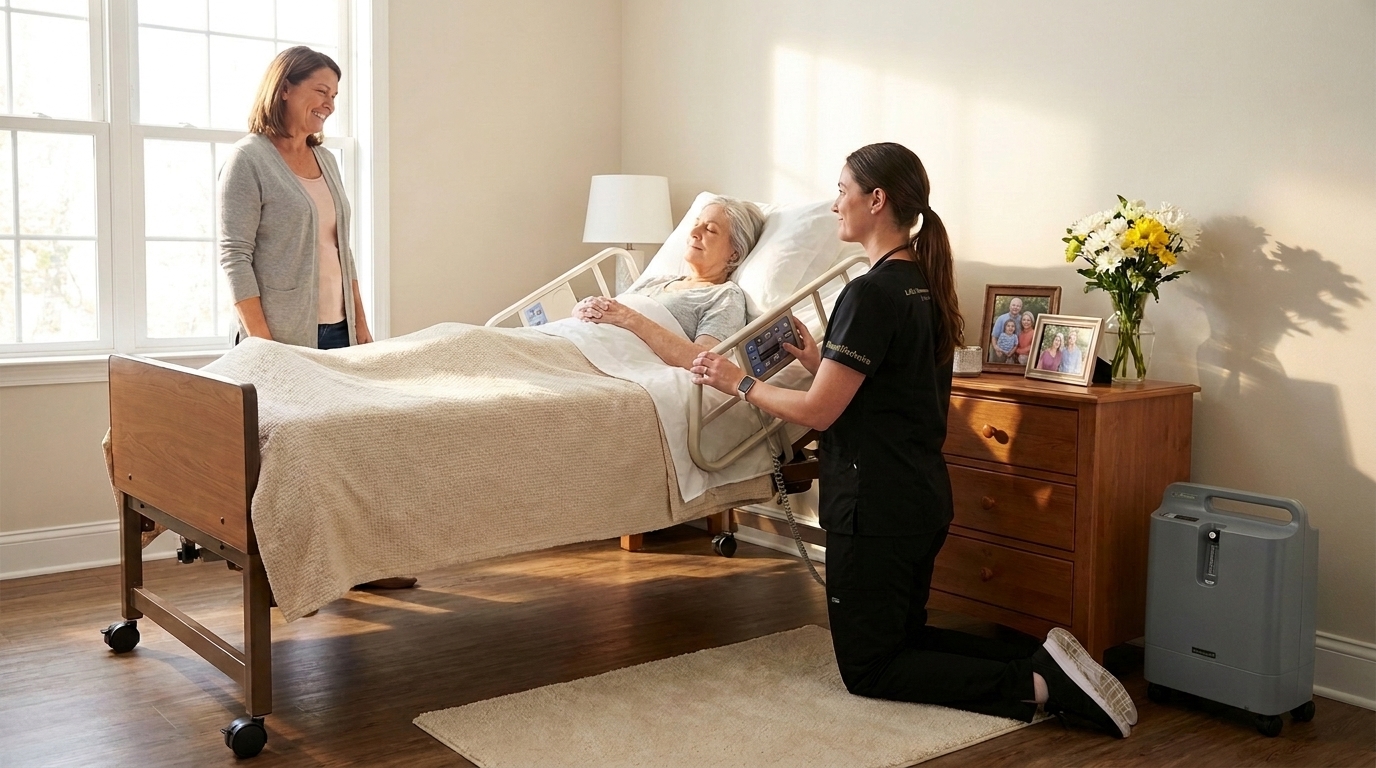


People associate nurses with hospitals, doctors' offices, and private healthcare services. A hospice nurse specializes in end-of-life care for the elderly, infirm, or those with a mortal diagnosis. Any patient, caregiver, or loved one receiving hospice or palliative care can easily understand that hospice nurses have a critical role in all aspects of the treatment and comfort process. Nurses are an integral part of the entire care team, including physicians, therapists, religious leaders or guides, and administrative help.
Many Types of Hospice Nurse Work Together
Hospice care is a specialized type of medical treatment that helps terminally ill individuals find comfort from the stress and symptoms of a serious illness. The intention is to enhance the patient's and their family's quality of life. Hospice nurses are essential to providing thorough and compassionate care under this care approach. They have a wide range of duties, and they adjust to the demands of the patients and their families to provide comprehensive care. In this article, we explore the various facets of hospice nursing responsibilities and emphasize the vital roles they play in palliative care.
Admission Nurses: The Initial Step in Healthcare
When patients, families, or caregivers want information about hospice care alternatives, admission nurses are the first people they should get in touch with. Their main responsibilities are as follows:
- Making educated decisions by informing patients and their families about hospice services, eligibility, and what to anticipate.
Evaluating the patient's needs in order to create first care plans that incorporate techniques for symptom alleviation and pain control.
Supplying patients and their families with emotional support and direction as they negotiate the challenging process of accepting hospice care.
Visit Nurses: The Foundation of Daily Care
The normal nursing duties necessary for patient care are performed by visit nurses, and they include:
- Delivering therapeutic interventions, medication, and wound care, among other therapies.
- Helping the patient perform activities of daily living (ADLs), protecting their comfort and dignity in the process.
- Keeping an eye on patients' health and modifying care plans as needed to meet changing requirements.
Nurses who triage patients: The First Responders
Specialized in assessing and meeting urgent care requirements, triage nurses provide the following services:
- On-call assistance for urgent issues, offering prompt interventions or guidance to avoid consequences.
- Emergency treatment for acute symptoms, guarantees prompt attention to discomfort or unexpected drops in health.
- Frequent evaluation and observation are needed to spot changes in health and enable timely modifications to treatment regimens.
Liaison Nurses: The Line of Communication
A few hospice nurses serve as a point of contact for patients, families, and medical professionals. These nurses include:
- Coordinating the patient's care with doctors and other medical specialists to guarantee that their final desires are honored and carried out.
- Encouraging the patient, family, and medical staff to communicate with each other so that all parties are aware of and participate in the treatment plan.
- Defending the patient's rights and desires, especially in difficult or complex circumstances,
Healthcare Providers: The Link to the Hospital
When hospitalization is necessary, certain hospice nurses are experts in:
- working together with hospital personnel to offer hospice patients who require immediate medical attention smooth care transitions.
- maintaining the hospice care tenets even in a hospital environment in order to preserve comfort and quality of life.
- giving emotional and practical support to families while they are hospitalized.
The Overarching Objective: Life Quality
The primary goal of hospice care, regardless of these diverse responsibilities, is still to improve the quality of life for patients who are near death and their loved ones. This entails providing the patient with expert medical treatment as well as advocacy, education, and strong emotional support in order to respect their desires for their final days on earth. Hospice nurses uphold the values of palliative care by placing a strong emphasis on the comfort, respect, and dignity of the patients they look after.

Essential Characteristics of a Hospice Nurse
Providing care to terminally ill patients and their families during the most vulnerable stages of their lives makes hospice nursing a deeply unique element of healthcare. More than just technical proficiency and medical knowledge, this area requires its nurses to possess a unique combination of qualities not found in other nursing specializations. Here, we examine the fundamental characteristics that characterize a successful hospice nurse, emphasizing the importance of these attributes in providing compassionate palliative care
Category Description Compassion and Empathy Hospice caregivers possess a profound capacity for empathy, enabling them to see the emotional terrain of those at life's end. Their deep empathy allows them to provide comfort and compassion beyond medical care, acknowledging the individual behind the patient. Proficiency in Communication Effective communication is crucial in hospice care. Nurses must relay complex medical information clearly and listen actively, creating a safe space for patients and families to express their needs, desires, and concerns. Emotional Hardiness The hospice environment is emotionally taxing and filled with grief and loss. Nurses need emotional stability to support others and manage their own mental health, maintaining resilience to be present and empathetic for each family. Flexibility and Problem-Solving Nurses must handle unpredictable situations and symptoms, requiring flexibility and critical thinking to adapt care plans dynamically. This adaptability ensures the preservation of patient dignity and comfort as needs evolve.Advocacy Hospice nurses advocate for patient quality of life and end-of-life wishes, interacting with other healthcare professionals and navigating systems to ensure treatment plans are respected. Proficiency in assertive communication and understanding of palliative care principles are key. Observation of Detail Due to the complexity of hospice care, nurses must meticulously observe every detail, from changes in condition to medication management and symptom tracking. This thorough approach ensures timely, appropriate, and personalized care. Professionalism and Integrity Nurses in hospice settings handle sensitive situations with tact and honesty, respecting patient autonomy, maintaining confidentiality, and adhering to ethical standards. Their professionalism fosters trust among colleagues, families, and patients.
How Nurses Care for the Patient
Hospice nurses, whether they are registered nurses (RNs) or licensed practical nurses (LPNs), undertake a variety of tasks aimed at maintaining the comfort and dignity of the patient. They perform thorough patient assessments to gauge the patient's condition, identify needs, and adjust care plans accordingly. This includes administering medications for pain management, providing wound care, and assisting with the management of symptoms to ensure the patient remains as comfortable as possible.
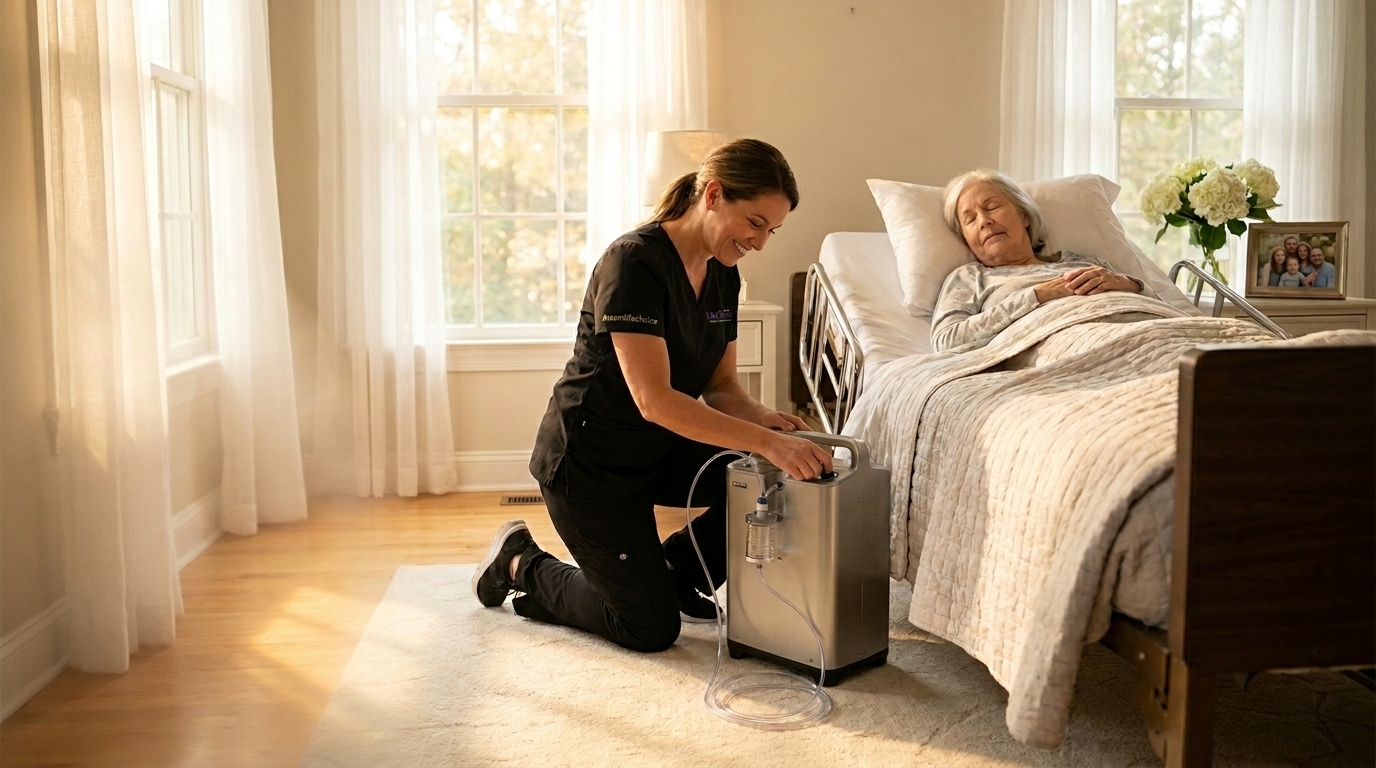
Moreover, hospice nurses are adept at handling medical equipment and supplies, making the day-to-day living situation manageable for both the patient and their family members. They instruct families on how to use medical equipment and ensure that necessary supplies are always available, thus reducing the stress associated with caregiving.
Emotional Support and Comfort Care
Recognizing the emotional and mental strain that comes with end-of-life care, hospice nurses also dedicate themselves to providing emotional support. They employ a sensitive and empathetic approach, offering a listening ear and a comforting presence to patients and families navigating the emotional turmoil of terminal illness. This support is vital in helping patients find peace and comfort during their final days.
Hospice nurses also coordinate personal care assistance to help maintain a semblance of normalcy in the patient's environment. They encourage activities and interactions that can bring joy and positivity, helping to lighten the atmosphere during a profoundly challenging time.
Spiritual Care Coordination
Acknowledging the importance of spiritual well-being, hospice nurses facilitate connections with spiritual care providers according to the patient's beliefs and wishes. Whether arranging visits from priests, chaplains, or other spiritual guides, they ensure that patients who desire such support have access to it. This spiritual care is an integral part of the holistic approach to hospice care, providing comfort and solace to those facing life's end.
The job of a hospice nurse is one of profound responsibility and significance. By providing meticulous medical care, emotional support, and spiritual guidance, hospice nurses help to ease the journey for terminally ill patients and their families. Their role is a testament to the depth of human compassion and the profound impact of empathetic care at the end of life. Through their dedicated efforts, hospice nurses not only alleviate physical pain but also nurture the spirit, offering a beacon of hope and comfort in the face of life's final transition.
How Nurses Care for the Caregivers and Loved Ones
Whether a friend or family member is involved in the caregiving process itself or is simply visiting in a more social role, a hospice nurse can support them throughout the end-of-life time. One of the essential responsibilities is communication, so everyone who needs to know specifics about the patient does so. As with the patient, the nurse can offer an understanding ear, empathy and consideration, a shoulder to cry on, someone to talk to when things get rough, and respite when the strain gets too much. Hospice nurses are not therapists, but they naturally play a caring role for everyone involved.
- Supporting the Circle of Care: The Hospice Nurse's Role
In the realm of hospice care, the nurse's responsibilities extend far beyond the clinical tasks of administering medication and managing symptoms of life-limiting illnesses. Certified hospice and palliative care nurses are vital members of the healthcare team, embodying a multifaceted role that encompasses emotional support, communication, and education for both the patient and their loved ones. This comprehensive approach is crucial in navigating the complexities of end-of-life care within the healthcare industry.
- A Pillar of Communication
Effective communication stands at the core of hospice care, ensuring that patients, family members, and caregivers are well-informed about medical conditions, treatment plans, and expectations. Hospice nurses excel in translating the medical language of life-limiting conditions into understandable terms, facilitating an open dialogue that respects the patient's and family's needs and wishes. This clarity is essential in decision-making processes, allowing loved ones to make informed choices about care preferences and end-of-life arrangements.
Emotional Support for Families and Caregivers
While the primary focus of hospice care is the patient, the emotional well-being of family members and friends is also paramount. Hospice nurses bring an unparalleled level of empathy and understanding to the care environment, offering support to those who are navigating the emotional challenges of a loved one's final journey. They serve as a compassionate presence, offering a shoulder to cry on, lending an understanding ear, and providing comfort during times of grief and loss. Their role often includes helping families process their feelings, cope with stress, and find ways to say goodbye.
The Role of Respite Care
Recognizing the physical and emotional toll that caregiving can impose, hospice nurses also facilitate respite care, allowing family members to take necessary breaks. This support is crucial in preventing caregiver burnout, ensuring that families can maintain their well-being while continuing to provide love and support to their dying relatives. By offering relief, hospice nurses help sustain the caregiving process, making it more manageable for families to navigate the challenging dynamics of end-of-life care.
Beyond Clinical Care: A Caring Presence
Although hospice nurses are not therapists, their caring role is intrinsic to the support system provided to families and patients. Their presence offers a sense of stability and reassurance during a time fraught with uncertainty and change. By addressing the emotional, spiritual, and social needs of both patients and their families, hospice nurses play a critical role in the holistic approach to end-of-life care.
The job of a hospice nurse is deeply rooted in the principles of palliative care, emphasizing not only the alleviation of physical suffering but also the provision of emotional and spiritual support. Their work is a testament to the importance of compassion, understanding, and resilience in the face of life's most challenging moments. As integral members of the healthcare team, hospice nurses ensure that the journey towards life's end is approached with dignity, respect, and love, making a profound difference in the lives of those they touch.
What Makes Hospice Nursing Different
Hospice nurse work begins from a totally different starting point than regular nursing. Hospital nurses race to solve problems and heal patients. Hospice nurses take their time. They ask what would make today better for you.
This shift changes everything. Medicine gets timed around family meals. Equipment gets picked for comfort, not function. Talks happen at kitchen tables instead of sterile rooms. Nurses remember favorite songs, grandchildren's names, stories that bring smiles.
Pain doesn't disappear—it gets controlled so life can go on. Symptoms get handled to make days better instead of chasing cures that won't come. Family moments trump test results. Nurses turn into translators, champions, and guides through places nobody wants to go.
They work with doctors, social workers, chaplains, and other team members. But their main job? Making sure nothing important gets lost between medical needs and human dignity.
Morning coffee routines matter more than clinical schedules. Baseball games become worth solving oxygen problems for. These choices aren't medical decisions, they're human ones.
Real Work
Medical tasks anchor daily visits. Nurses check blood pressure, but they're watching comfort levels, not looking for emergencies. They count heartbeats and breathing to understand how someone feels, not to sound alarms. Skin gets checked for sores that might hurt.
Pain control turns into an art. These nurses don't just pass out pills, they figure out how each person hurts differently. Some folks need medicine right on schedule. Others need extra doses when worry hits. Non-medicine tricks help too: fluffier pillows, warmer rooms, calming music during tough times.
Teaching families eats up big pieces of visit time. New caregivers learn medicine schedules that could fill books. They practice moving someone from bed to chair without anyone getting hurt. Equipment comes with directions, but nurses show the people skills that paperwork can't teach.
Care plans shift all the time. Last week's solution might not work today. Sudden pain changes need furniture fixes, not just stronger pills. Nurses write down everything, but they also catch hints—when someone stops planning ahead, when family arguments start, when tiny changes mean bigger shifts coming.
Supporting Families Through the Hardest Times
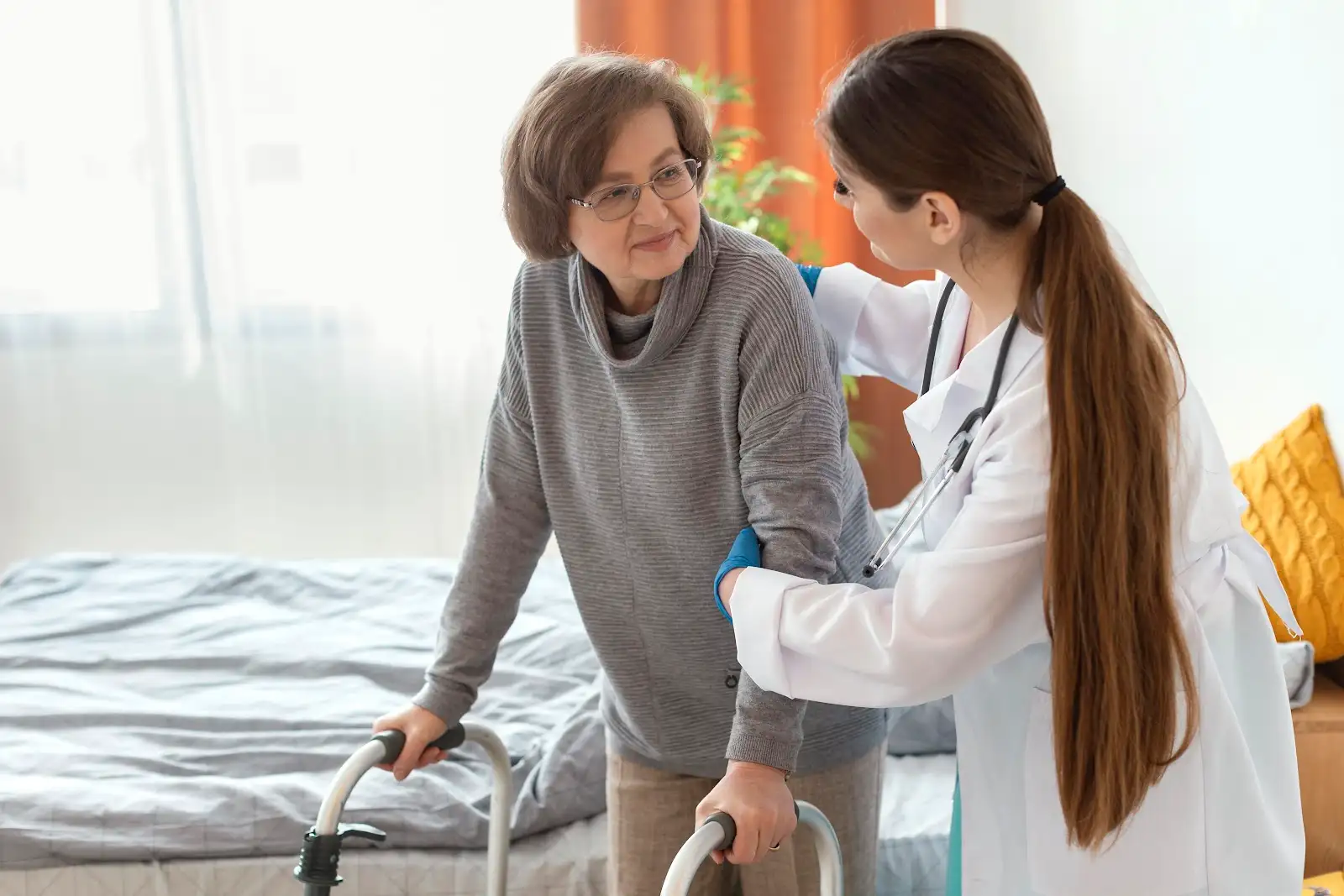
Hospice nurse support for families reaches into places most medical workers never go. Families drowning in questions get steady answers they can trust. What happens when eating stops? Why do sleep habits change? How do we know if someone hurts?
Hard talks need expert help. Families dodge conversations about DNR papers, funeral plans, and final words until nurses make safe spaces for these discussions. They help everyone speak while making sure quiet people get heard too.
Panic moments test everyone. When breathing suddenly changes or pain breaks through medicine, families lose it. Nurses bring calm know-how, walking families through quick steps while figuring out if real emergencies need different responses.
They teach families to spot natural changes that come with dying. Less eating becomes normal shift, not starvation. More sleeping becomes peaceful change, not dangerous unconsciousness. Knowledge beats fear when families understand what comes next.
Past medical help, nurses connect families with community resources, help sort through insurance messes, and work with funeral homes when time comes.
Skills That Set These Nurses Apart
Hospice nursing needs special training that other nurses never get:
Medical Know-How:
- Advanced comfort techniques using medicine, positioning, and room changes
- Crisis handling for sudden symptoms and family emergencies
- Symptom control aimed at quality of life instead of cures
- Gentle wound care focusing on dignity over aggressive healing
Talking Skills:
- Hard conversation leadership around death and dying topics
- Cultural awareness for different family traditions and beliefs
- Basic counseling abilities to help with early grief
- Family problem-solving when disagreements pop up about care choices
Practical Usage:
- Community connections to find extra support services
- Insurance help for hospice-specific benefits
- Home safety checks for medical equipment and getting around
- After-hours judgment calls for urgent worries and family fears
Many hospice nurses get extra certifications, but real learning happens at bedsides, in living rooms, and during middle-of-the-night phone calls from scared families.
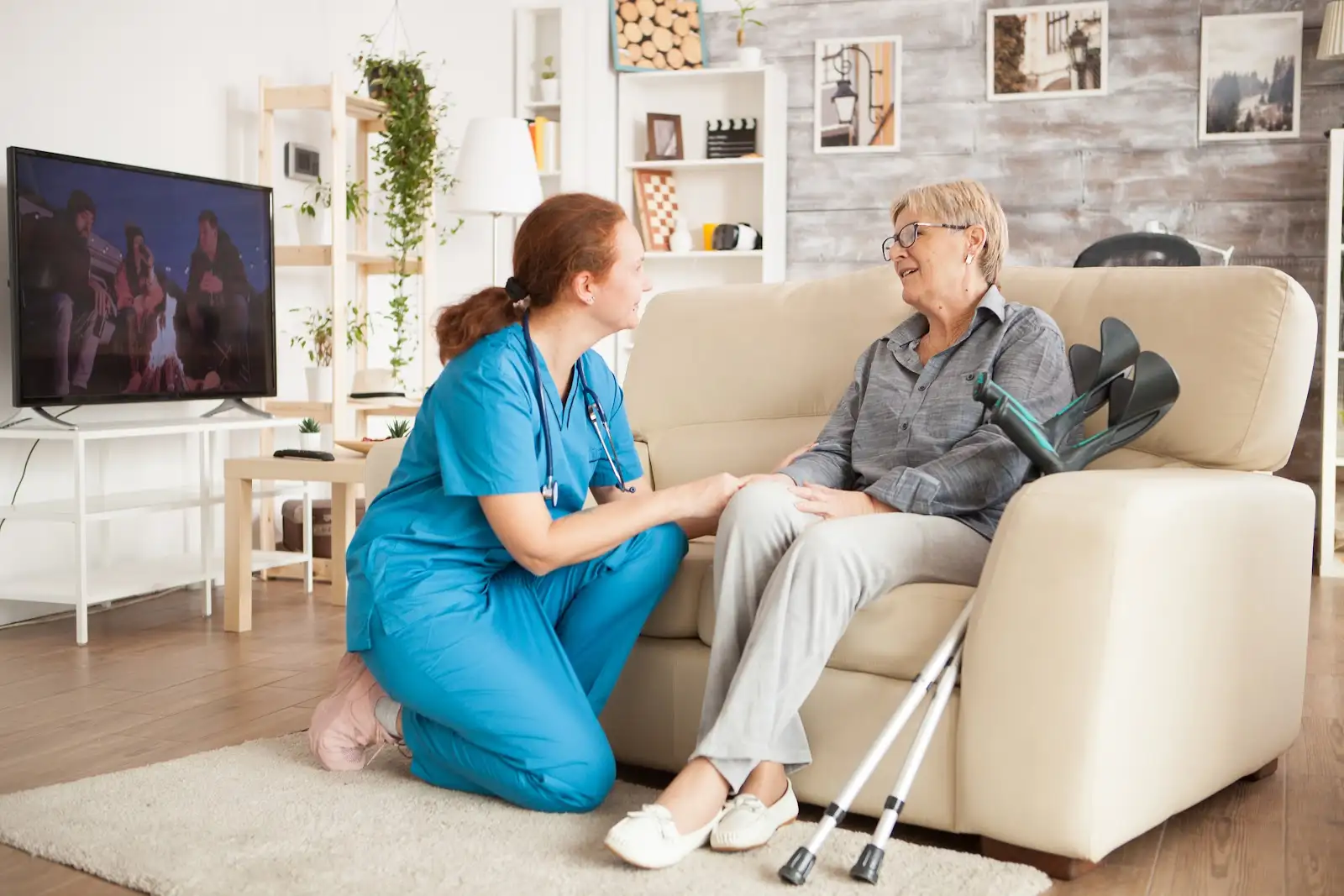
Why Nurses Choose This Work
Hospice nursing gives something most healthcare jobs can't: time to know patients as whole people. Nurses learn about jobs, adventures, regrets, and dreams. They hear stories covering decades and see love that lasts through the toughest times.
These connections often feel more like family than work relationships. Nurses show up for birthday parties, share holiday meals, and become trusted keepers of family secrets and worries. They watch grown kids make peace with aging parents and help couples say goodbye after decades together.
The work asks for emotional strength. Patient deaths happening regularly need healthy ways to cope and strong support systems. Many nurses join team talks, peer support groups, and classes focused on handling grief.
Even with these challenges, hospice nurses stick with their jobs longer than nurses in most other areas. They keep saying that helping families get through end-of-life changes with grace beats any other work they've done.
Being there during life's final chapter, with all its mess, beauty, and deep human connections, marks both nurses and families forever. Nurses talk about moments that never leave them: helping veterans finally share combat stories, watching grandmothers teach granddaughters to knit one last time, or just holding someone's hand during final breaths when family couldn't make it there.
If you'd like to learn more about hospice services and how they can support your family during difficult times, please contact us for caring guidance and information about available care options.
Key Takeaways
• Hospice nurses put comfort first, switching from life-extending treatments to quality time and symptom control for patient dignity
• Family support goes beyond medical care to include emotional guidance, education about dying, and help with tough end-of-life choices
• Special skills make hospice nursing unique, including advanced pain management, crisis help, sensitive communication, and round-the-clock support
• Care happens in many places from home visits to nursing facilities and hospice centers, with nurses adjusting their style to each setting
• Job satisfaction comes from real relationships built during life’s biggest transitions, despite the emotional weight of frequent patient loss
FAQ
How often does a hospice nurse visit patients at home?
Visit frequency depends on patient needs but usually ranges from twice weekly to daily as conditions change. Nurses also give phone support around the clock for urgent concerns between visits.
Can hospice nurses give pain medication and other treatments?
Yes, hospice nurses can give medications, manage symptoms, and provide medical treatments focused on comfort care. They work with doctors to make pain management work better.
What happens if a patient's condition gets better while getting hospice care?
Patients can stop hospice services if their condition gets stable or improves past the six-month outlook. They can also sign up again if their condition gets worse later.
Do hospice nurses only work with cancer patients?
Hospice nurses care for patients with any terminal diagnosis, including heart failure, dementia, kidney disease, lung conditions, and brain disorders. Cancer makes up only part of hospice patients.
How do hospice nurses support families after a patient dies?
Hospice programs give bereavement support for over a year after death, including counseling services, support groups, and memorial activities. The main nurse often stays in touch during early grief time.